
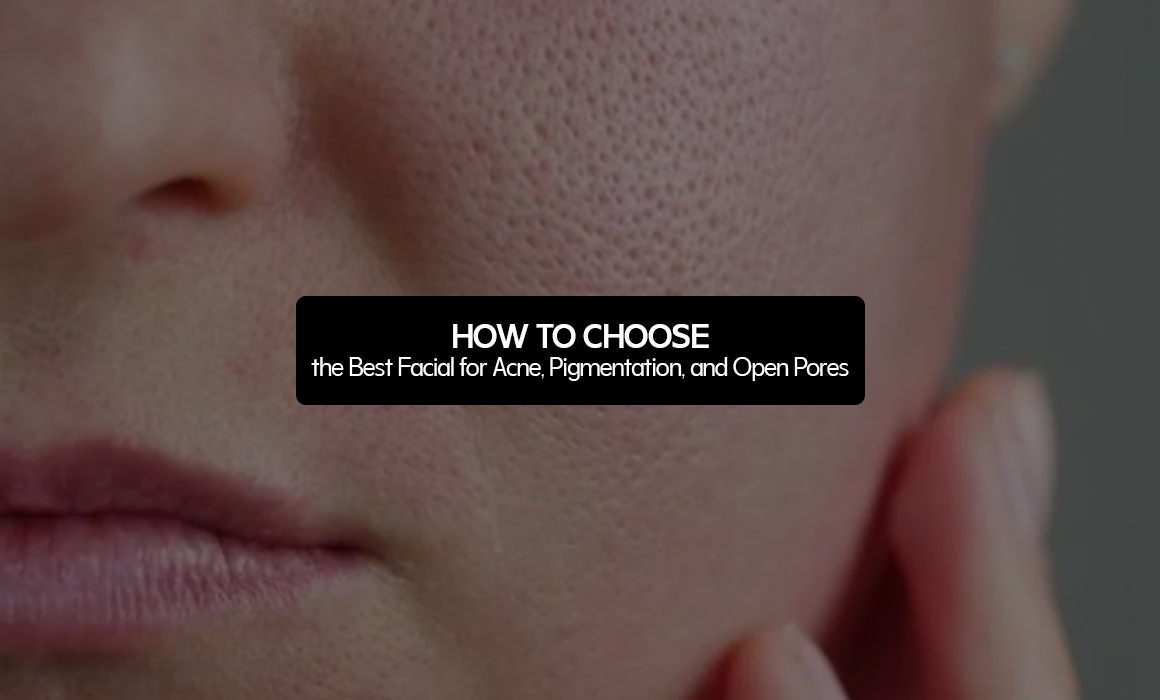
When it comes to skin care, choosing the right facial can be a game-changer for achieving healthy, glowing skin. With so many options available, it’s essential to understand which facial targets your specific concerns, such as acne, pigmentation, and open pores. This guide will help you make an informed decision and improve your skin care routine.
Step 1: Understanding Your Skin Type
Before selecting a facial, it’s crucial to know your skin type. Facials work best when they are tailored to your skin’s needs.
Oily Skin
Prone to excess sebum and acne.
Needs deep cleansing and oil control treatments.
Dry Skin
Lacks moisture, can appear flaky.
Benefits from hydrating and nourishing facials.
Combination Skin
Oily in T-zone, dry on cheeks.
Requires balanced facials to target different areas.
Sensitive Skin
Easily irritated or red.
Needs gentle facials with calming ingredients.
Step 2: Best Facials for Acne-Prone Skin
Acne facials are designed to reduce breakouts, remove impurities, and prevent future pimples.
How Acne Facials Work
Acne facials often include deep cleansing, exfoliation, and extractions to remove clogged pores.
Key Ingredients to Look For
- Salicylic acid: exfoliates and unclogs pores.
- Tea tree oil: antibacterial properties.
- Vitamin C: reduces inflammation and brightens skin.
Home vs. Salon Treatments
- Home: Gentle chemical peels, masks, and cleansers.
- Salon: Professional extractions, chemical peels, and LED therapy.
Step 3: Facials for Pigmentation and Uneven Skin Tone
Pigmentation can occur due to sun damage, hormonal changes, or acne scars. Choosing the right facial helps even out your skin tone.
Causes of Pigmentation
- Sun exposure
- Hormonal changes
- Post-acne scars
Effective Facial Treatments for Dark Spots
- Brightening facials with vitamin C or kojic acid.
- Chemical peels to remove the top layer of pigmented skin.
- Microdermabrasion for skin rejuvenation.
Combining Facials with Skin Care Products
Use serums and creams with ingredients like niacinamide or arbutin to maintain results between facials.
Step 4: Treating Open Pores with the Right Facial
Open pores can make skin look uneven and prone to blackheads. Facials targeting pores help tighten and smooth the skin.
How Open Pores Form
- Excess oil production
- Loss of skin elasticity
- Aging or sun damage
Facials That Minimize Pores
- Deep cleansing facials with steam.
- Extractions to remove blackheads.
- Clay or charcoal masks to absorb excess oil.
Maintenance Tips for Long-Lasting Results
- Avoid harsh scrubs that can enlarge pores.
- Use pore-minimizing toners and serums.
- Regular exfoliation helps prevent buildup.
Step 5: Common Mistakes When Choosing a Facial
Choosing the wrong facial can worsen skin issues. Avoid these mistakes:
Using the Wrong Products for Your Skin Type
Not all facials suit every skin type. For example, oily skin should avoid heavy creams.
Overdoing Facials
Excess facials can irritate the skin, causing redness or breakouts.
Ignoring Professional Advice
Always consult a dermatologist or licensed esthetician to pick the best facial for your skin concerns.
Step 6: Expert Tips for Maximizing Facial Benefits
Post-Facial Skin Care Routine
- Use gentle cleansers.
- Apply moisturizer and SPF to protect skin.
- Avoid makeup for 24 hours.
Best Frequency for Each Skin Concern
| Skin Concern | Recommended Frequency |
|---|---|
| Acne-prone skin | Every 4-6 weeks |
| Pigmentation | Every 3-4 weeks |
| Open pores | Every 4-6 weeks |
Combining Facials with Lifestyle Adjustments
- Drink plenty of water.
- Maintain a healthy diet rich in antioxidants.
- Get adequate sleep to allow skin repair.
Conclusion
Choosing the best facial for acne, pigmentation, and open pores is an essential step in any effective skin care routine. Understanding your skin type, targeting specific concerns, and combining facials with a proper home care routine can give you healthier, glowing, and more even-toned skin. Always consult a professional to ensure the facial you choose is safe and suitable for your skin.